

How to Clean Your Pet’s Teeth at Home: The Most Effective Options
Does Home Dental Care Really Make a Difference?
That big, happy grin your pet gives you can come with breath that’s a bit much. For cats, sneaking in a brushing can feel like a wrestling match with a very small, very determined alligator. And with so many brushes, wipes, gels, and chews on the market, figuring out what actually works can feel overwhelming. So the question most pet owners ask is: does home dental care really make a difference, or is it all just marketing?
The answer is yes, it makes a real difference. Plaque and tartar build up fast and can lead to painful problems below the gumline, so a consistent home routine is one of the best things you can do for your pet’s comfort and long-term health. The key is finding what works for you and your pet, and sticking with it.
At Paws at Play and North Royalton Animal Hospital, dental care is part of everyday wellness. We help families build realistic routines, provide teeth brushing as a part of our grooming services, provide professional cleanings when home care isn’t enough, and carry trusted dental products through our online pharmacy. If you’d like help getting started, you can request an appointment to build a plan that fits your pet’s personality and your schedule.
Why Does Home Dental Care Matter So Much?
Daily or near-daily home care slows plaque and tartar buildup, eases gum inflammation, and keeps breath fresher. Without it, plaque hardens into tartar and contributes to periodontal disease, which can cause pain, tooth loss, and even affect the heart, kidneys, and liver over time.
Plaque is a sticky film of bacteria that forms on teeth every day. When it isn’t removed, it mineralizes into tartar, which irritates the gums and creates pockets where infection can develop. Gingivitis, the earliest stage of gum disease, is often reversible with consistent care. But once disease advances below the gumline, it requires veterinary treatment to address the pain and hidden infection.
Home care complements but never replaces professional dental cleanings under anesthesia. We pair home strategies like tooth brushing with professional cleanings to reach below the gumline, take dental radiographs, and polish enamel. Together, these approaches extend the time between procedures and keep your pet more comfortable overall. Our services at North Royalton Animal Hospital include comprehensive dental care as part of your pet’s wellness plan.
Toothbrushing: Why It’s Still the Gold Standard
Brushing physically removes plaque before it hardens, which makes it the single most effective home method. Aim for daily brushing; every other day still helps. Consistency beats perfection, and even brushing a few teeth well is better than skipping entirely. Focus your strokes along the gumline, where plaque accumulates and disease starts, and always use pet-safe toothpaste. Human toothpaste contains ingredients that aren’t safe for pets.
You can find toothbrushes and pastes that we use in our grooming services in our online pharmacy, including enzymatic formulas that continue working after the brushing session ends.
How to Start Brushing Without Battles
Start small, go slow, and end on a positive note. Most pets accept brushing when it’s introduced in tiny steps with rewards. Using cooperative care techniques helps your pet feel in control of the process rather than restrained through it.
- Touch the muzzle and lips gently, reward, and stop.
- Lift the lips to touch the outer teeth with your finger for a second or two.
- Let your pet lick a dab of enzymatic toothpaste from your finger.
- Try a soft-bristled brush or finger brush; keep strokes short and light.
- Build up gradually, focusing on the outer surfaces of the back teeth.
If your pet resists, step back to the last step they were comfortable with and try again tomorrow. This isn’t a race, and pushing too fast creates lasting negative associations that make future attempts harder.
How Is Brushing Different for Dogs vs. Cats?
The basic goal is the same, but the approach and handling differ significantly between species.
For dogs, position yourself to the side rather than head-on, which feels less confrontational. Lift the lip and angle the brush at about 45 degrees to the gumline, using small circular motions. Work from the back teeth forward, as the premolars and molars along the upper jaw are where tartar builds fastest. Most dogs tolerate a standard soft-bristled brush or a finger brush, and sessions of 30 to 60 seconds per side are a realistic goal. A step-by-step approach to brushing dog teeth can help you develop a consistent technique.
For cats, gentleness and brevity are everything. Cats have smaller mouths and are more sensitive to restraint, so very short sessions (even 10 to 15 seconds) are a good starting point. A finger brush or a small piece of gauze wrapped around your fingertip often works better than a standard brush. Approach from behind or to the side, cradle the head gently, and focus on the outer surfaces of the upper teeth. Detailed guidance on brushing cat teeth walks through the feline-specific technique.
If you’d like a hands-on demonstration, our team can walk you through the technique during a wellness visit. And between appointments, our groomers at Paws at Play offer tooth brushing as part of their grooming services, which keeps your pet’s routine consistent even when life gets busy.
What If My Pet Won’t Tolerate a Toothbrush?
Dental Wipes and Gauze
Not every pet will accept a brush, and that’s okay. Dental wipes and gauze wrapped around your finger can gently rub the outer tooth surfaces and along the gumline. They remove surface plaque through friction and are especially useful for cats or anxious dogs who resist a brush in their mouth.
Wipes may not reach the back teeth or gumline pockets as effectively as a bristled brush, but they are significantly better than no home care at all. They can also serve as a stepping stone toward brushing, helping your pet get used to having their mouth handled. Pair them with an enzymatic solution for added benefit.
Dental Gels and Enzymatic Products
Enzymatic gels break down plaque chemically, even without brushing, though combining them with mechanical removal provides the best results. Application is straightforward: swipe a thin layer along the gumline with your finger or a brush, and your pet’s tongue helps spread it across the tooth surfaces. Some products require no rinsing, making them easy to work into a quick nightly routine.
Gels work best as part of a broader routine rather than as a standalone solution. You can find dental rinses and gels in our online pharmacy.
Water Additives and Dental Powders
Water additives deliver antimicrobial or enzymatic ingredients throughout the mouth every time your pet drinks. They can freshen breath and provide a baseline level of plaque control with zero effort on your pet’s part. Dental powders sprinkled on food work similarly. These are convenient, but effectiveness varies by product, and they should supplement mechanical cleaning rather than replace it.
Introduce additives gradually to make sure your pet continues to drink normally. If they seem put off, try a lower concentration first. Dental powders and water additives are available through our pharmacy.
What Is the VOHC, and Why Does It Matter?
The Veterinary Oral Health Council (VOHC) is an independent organization that evaluates dental products and recognizes those that meet specific standards for reducing plaque or tartar. Manufacturers submit clinical trial data, and only products that demonstrate measurable effectiveness earn the VOHC seal of acceptance.
The VOHC does not test every product on the market, so the absence of a seal doesn’t necessarily mean a product is ineffective. But when you see the seal, it gives you reliable assurance that the product has been independently verified to do what it claims. When shopping for dental chews, water additives, diets, wipes, or other oral care products, looking for VOHC-accepted products is a smart starting point. Our team can help you navigate product choices and match the right options to your pet’s needs.
Can Dental Diets Help Keep Teeth Cleaner?
Dental diets are specially formulated to support oral health through both their ingredients and the physical structure of the kibble. The pieces are larger and designed to not crumble on first bite, so your pet’s teeth sink into the kibble and get a scrubbing action along the tooth surface as they chew. Some formulas also include ingredients that help prevent tartar from mineralizing.
Dental diets are another tool to help extend the time between professional cleanings, but they are not a replacement for brushing or veterinary dental care. They work best as part of a broader routine. We carry dental diet options from trusted brands through our online pharmacy, including Hill’s dental diets, Purina dental diets, and Royal Canin dental diets.

Are Dental Chews and Toys Worth It?
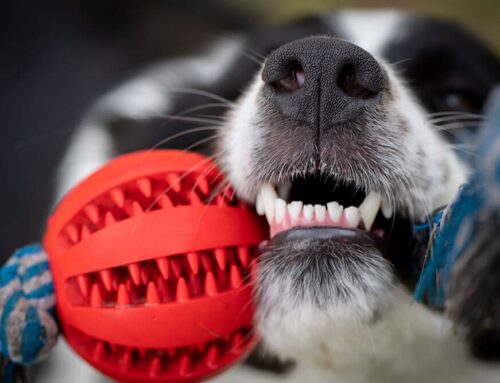
Certain chews and toys scrape soft plaque as your pet chews, providing a supplemental cleaning action between brushings. The key is choosing products that have been tested for dental benefit and avoiding anything too hard that could fracture teeth.
Skip dangerous chew items like antlers, bones, and hard hooves. These are common causes of broken teeth, which often need extraction. Instead, choose safe chew toys designed for dental support and supervised use.
Choosing Chews That Fit Your Pet
As a general rule, avoid anything harder than your fingernail. The chew should indent slightly under pressure. Match the size to your pet’s mouth and chewing style, and always supervise to watch for choking hazards or stomach upset. Start with pliable options like dental chew toys that balance durability with give, and rotate toys to keep interest.
You can browse dental chews in our online pharmacy, or ask our team for personalized recommendations when you drop your dog off for daycare at Paws at Play.
What Home Care Cannot Replace
Even the best home routine cannot remove hardened tartar or treat disease below the gumline. Professional dental cleanings under anesthesia allow thorough scaling, polishing, dental radiographs, and a complete evaluation of each tooth. Anesthesia ensures safe, pain-free cleaning beneath the gumline and careful assessment of structures you can’t see from the outside. Avoid anesthesia-free dental risks that miss hidden disease, can be painful, and leave the most important areas untreated.
If a sudden dental issue pops up, urgent and emergency veterinary care is available at North Royalton Animal Hospital, or you can request an appointment for routine dentistry and wellness. Because Paws at Play is staffed by medical professionals, you can rest easy knowing that any dental issues that pop up during daycare or boarding will be addressed promptly by experts.
Building a Routine You Can Actually Keep
Sustainable dental care comes from small, steady habits. Pair dental care with something you already do, like bedtime treats or your evening routine with your pet. Set realistic goals: three quick swipes every other day beats skipping the whole week, and if your pet resists, step back to licking toothpaste or using gauze until confidence grows.
Watch for wins along the way: fresher breath, pinker gums, and cleaner gumlines are all signs your routine is working. If progress stalls or gums look red despite your efforts, it’s time for a professional check.
Between home sessions, our groomers at Paws at Play can reinforce your pet’s routine with professional tooth brushing during grooming appointments. During dog boarding or cat resort stays, we can maintain dental care with low-stress sessions so your pet doesn’t miss a beat.
Frequently Asked Questions
How often should I brush my pet’s teeth? Daily is ideal; every other day still provides meaningful protection. Short, consistent sessions matter more than occasional long ones.
What if my pet won’t tolerate a toothbrush? Start with gauze or dental wipes and add enzymatic gels. Build confidence with cooperative, reward-based steps. Some pets do better with professional brushing at grooming appointments between home sessions.
Are water additives enough on their own? They support oral health but won’t remove existing tartar or replace mechanical cleaning. Choose VOHC-accepted products and keep brushing or wiping in the routine.
When should I see a vet about dental issues? Contact us if you notice red or bleeding gums, broken teeth, strong odor, drooling, or difficulty eating.
Your Pet’s Smile Is Worth the Effort
Healthy mouths make for happier, more comfortable pets, and home care plus regular professional cleanings is the proven path to get there. Every effort counts, whether it’s brushing, wipes, chews, gels, or a dental diet. The best routine is the one you can stick with.
Our team at Paws at Play and North Royalton Animal Hospital is here to help with product choices, hands-on training, and individualized care plans. Our groomers at Paws at Play provide professional tooth brushing during grooming visits to keep your pet’s routine consistent. If you’re ready to get started or want a dental evaluation, reach out– we’ll provide personalized recommendations to your pet’s mouth, your schedule, and your comfort level.





Leave A Comment